Understanding Modes: Importance and Impact in Everyday Life

Modes are present in many parts of our daily lives, influencing areas like music, art, communication, and technology. Grasping the concept of modes can deepen our appreciation for these fields and improve how we engage with the world. This post will discuss what modes are, why they matter, and how they affect our daily experiences.
What Are Modes?
Modes refer to different methods or ways of doing something. They can be viewed as distinct forms or categories that help us understand and organize our experiences. For instance, in music, modes are specific scales that evoke different feelings and emotions. In communication, modes represent the various ways we express ourselves, such as through speaking, body language, or written text.
In technology, modes can drastically change how devices operate. For example, a smartphone might have different modes like camera, gaming, or reading, each one optimized for particular activities. Understanding these modes can enhance your interaction with your devices and improve your overall experience.
The Importance of Modes in Music
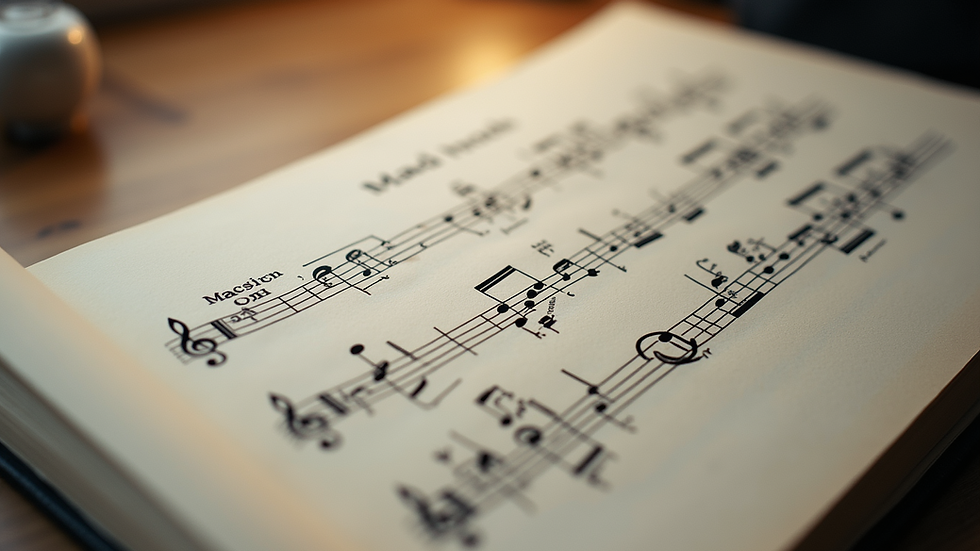
In music, modes are essential in creating emotional depth within a piece. There are seven primary modes derived from the major scale: Ionian, Dorian, Phrygian, Lydian, Mixolydian, Aeolian, and Locrian. Each mode elicits unique feelings and moods.
Dorian Mode: Often has a jazzy, soulful sound, frequently used in genres like jazz and blues.
Phrygian Mode: This mode conveys a sense of exoticism, often found in Flamenco music.
For example, a well-known piece in Dorian is "So What" by Miles Davis, showcasing its rich, soulful qualities. Understanding these musical modes allows both musicians and listeners to appreciate the subtleties in compositions, leading to a more fulfilling experience.
Modes in Communication
Modes of communication are vital in our interactions. They include verbal, non-verbal, and written forms, each serving distinct functions.
Verbal Communication: Involves speaking and allows for direct dialogue.
Non-verbal Cues: Such as gestures, facial expressions, and eye contact can reveal emotions that words may overlook.
For example, a smile or frown can convey feelings that enhance or contradict verbal messages. On the other hand, written communication offers a chance to reflect and articulate ideas clearly. By being aware of these communication modes, we can improve our relationships and ensure our messages resonate effectively.
The Role of Modes in Technology
Modes significantly influence user experience in technology. Many devices include various modes designed for specific tasks, which boosts functionality and efficiency. For example, a camera might offer modes for portrait, landscape, and night photography. Each mode adjusts settings like exposure and focus to yield the best results in different scenarios.
A study by User Experience Magazine found that using mode-specific features can improve productivity by up to 30%. By recognizing these modes, users can make better choices about how to use their devices, optimizing their results in everyday tasks.
Final Thoughts
Modes play a vital role in our lives, shaping how we create, communicate, and interact with technology. By understanding the various modes in music, communication, and tech, we can enhance our experiences and appreciate the richness of the world around us.
Whether you're a musician, a communicator, or a technology user, recognizing the significance of modes can lead to more meaningful interactions and a deeper understanding of your environment. Integrating this knowledge into your daily life can unlock new ways to express creativity and enhance your connections with others.


Comments