
Fun and Lasting Benefits of your Preschooler Taking Group Music Lessons.
- Daniel Jackson
- Aug 21, 2025
- 4 min read

Music is a universal language that connects people in ways we might not even realize. For preschool-aged children, joining group music lessons can be a delightful experience. It opens the door to sound and rhythm while offering countless benefits that can positively impact their development. Let’s explore the fun and lasting benefits of your preschooler taking group music lessons.
Enhancing Cognitive Development
One of the standout benefits of group music lessons is their impact on cognitive development. Studies show that music education can significantly enhance skills like memory, attention, and problem-solving. For example, children who participate in consistent music training demonstrate up to a 20% improvement in verbal memory and literacy skills compared to their peers who do not engage in music.
As young learners grasp different notes and rhythms, they develop auditory discrimination skills. This skill is crucial for understanding spoken language. Research indicates that early exposure to music can set a concrete foundation for better academic performance, leading to increased literacy rates by 30% in children with music training versus those without.
Fostering Social Skills
Group music lessons are fantastic for helping preschoolers build essential social skills. In a group setting, children practice collaboration, sharing, and effective communication with their peers. For instance, during a group song, they must listen to one another and respond in harmony. This process fosters teamwork, creating an environment where everyone feels a sense of belonging.
Moreover, participating in group activities teaches children the importance of taking turns and valuing others' contributions. These interactions are key to building friendships and developing emotional intelligence. By the age of six, children engaged in group music lessons have been found to have a 25% higher capacity for empathy compared to those who do not engage in similar group activities.
Boosting Self-Confidence
Participating in group music lessons can greatly enhance a child's self-confidence. Learning to play an instrument or sing in front of others gives children a sense of achievement. For example, after mastering a simple song, many children experience a noticeable boost in self-esteem.
Performing—even in a casual setting—helps children overcome shyness. Positive feedback from instructors can reinforce their belief in their abilities. Such self-empowerment often extends beyond music, positively impacting their academic performance and social interactions.
Encouraging Creativity and Expression
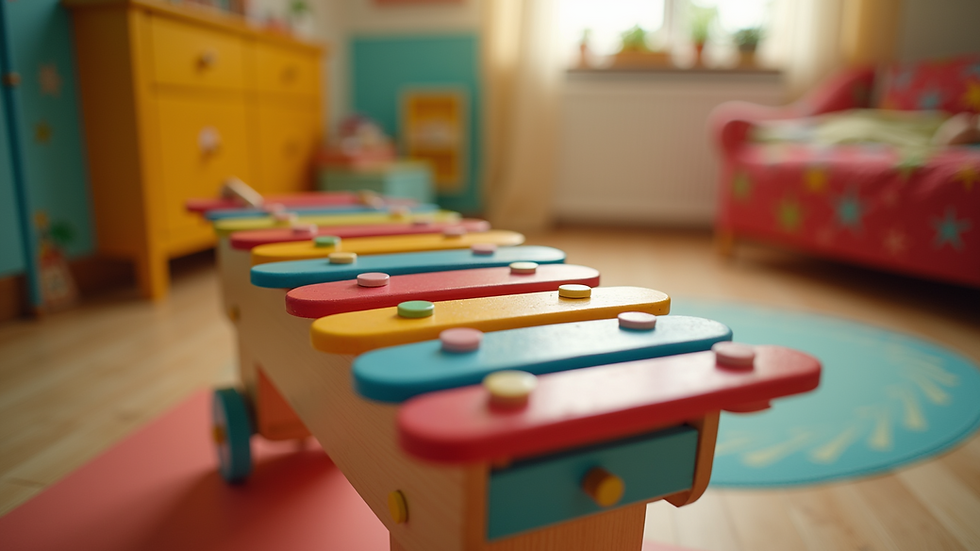
Music serves as a powerful outlet for self-expression. Group lessons provide preschoolers with a safe space to explore their creativity, whether they’re improvising on a xylophone or writing their own lyrics. In fact, studies indicate that children involved in music are 40% more likely to engage in creative thinking compared to their peers.
This creative outlet is essential for emotional growth. Children learn to communicate their feelings through music, leading to better emotional regulation. Engaging with music allows them to process their experiences constructively, a skill that can benefit them tremendously as they grow.
Developing Motor Skills
Playing musical instruments enhances coordination and fine motor skills. Group music lessons often include activities that promote hand-eye coordination, such as playing the recorder or striking a xylophone. As children practice, they strengthen hand muscles and improve dexterity, skills that translate to other physical activities, like writing and sports.
Hands-on engagement in music fosters a sense of rhythm and timing, which can enhance overall physical coordination. Children who practice regularly have shown improvements in fine motor task completion rates by up to 15%, solidifying the relevance of music training in physical development.
Cultivating Discipline and Patience
Learning music is a journey that takes time and commitment. Group music lessons instill in preschoolers the importance of discipline and perseverance. As they work towards mastering a piece, they develop an understanding that progress requires effort over time.
This lesson in discipline can have a lasting influence on their approach to challenges. Kids who learn to practice regularly in music are more likely to apply similar principles to their academic studies, leading to improved focus and goal-setting skills in other areas of their lives.
Building Cultural Awareness
Music is deeply embedded in various cultures, and group music lessons expose young children to different musical styles and traditions. This exposure encourages cultural appreciation and an understanding of diversity. For example, learning about instruments from diverse regions broadens their perspectives and fosters empathy.
By engaging with music from around the globe, preschoolers not only enjoy themselves but also build respect for others. Research suggests that children exposed to various cultural music traditions tend to develop a deeper understanding and a 30% higher appreciation for different cultures compared to those who engage exclusively with mainstream music.
Creating Lasting Memories
Group music lessons are not just about skill acquisition; they are also about creating cherished memories. The joy of making music with friends, participating in performances, and celebrating achievements together helps establish a sense of community.
These shared moments often become treasured memories that children hold onto as they grow. Friendships formed in these classes frequently extend beyond the classroom, providing a lasting support network throughout their lives.
Final Thoughts
Enrolling your preschooler in group music lessons offers numerous benefits that extend well beyond music itself. From enhancing cognitive skills and fostering social interactions to boosting self-confidence and encouraging creativity, the advantages are clear and impactful.
As your child embraces the joyful world of music, they can develop essential life skills while creating unforgettable memories and friendships. Consider introducing your little one to the magic of group music lessons; the fun and lasting benefits are sure to resonate for years to come.



Comments