How Music Can Enhance Confidence and Self-Esteem in Children

Children often face challenges that affect their confidence and self-esteem. Finding effective ways to support their emotional growth is essential for parents and educators. One powerful tool that can help build confidence in children is music. Engaging with music offers more than just entertainment; it provides a path for children to express themselves, develop skills, and feel proud of their achievements.

Music Encourages Self-Expression
Music allows children to communicate feelings they might not yet have words for. Singing, playing instruments, or even moving to rhythms helps them explore emotions safely. When children express themselves through music, they gain a sense of control over their feelings. This control builds confidence because they learn they can share their inner world with others in a meaningful way.
For example, a child who struggles with shyness might find it easier to sing a song or play a simple tune in front of family or friends. This small act of sharing can boost their belief in their own voice and presence.
Developing Skills Builds Pride
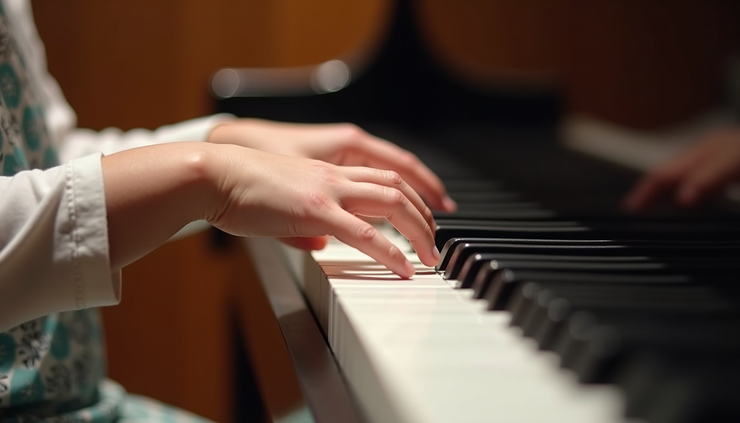
Learning to play an instrument or mastering a song requires practice and patience. As children improve, they experience a clear sense of progress. This progress is a direct confidence booster. Each new skill learned is a milestone that shows children they can set goals and achieve them.
Parents and teachers can support this by celebrating small victories, such as learning a new chord or performing a piece without mistakes. These moments help children see their efforts pay off, reinforcing a positive self-image.
Performing in Front of Others Strengthens Courage
Performing music in front of an audience, whether it’s a family gathering or a school recital, challenges children to face their fears. Overcoming stage fright or nervousness builds resilience. Each successful performance increases their confidence in handling new and potentially intimidating situations.
For instance, a child who plays a short solo at a school concert may feel nervous at first but will likely feel proud and more self-assured afterward. This experience teaches them that they can handle pressure and succeed.
Music Creates a Sense of Belonging
Joining a music group or choir helps children feel part of a team. This social connection supports self-esteem by showing children they are valued members of a community. Working together to create music teaches cooperation and respect, which are important for healthy self-worth.
Children who participate in group music activities often report feeling more connected and supported. This sense of belonging reduces feelings of isolation and builds emotional strength.
Encouraging Music in Daily Life
To help children gain confidence through music, parents and educators can:
Provide access to instruments or music lessons
Encourage regular practice with positive feedback
Support participation in group music activities
Celebrate musical achievements, big or small
Create opportunities for children to perform in safe environments
By making music a regular part of a child’s life, adults can help nurture confidence that extends beyond music into other areas like school and social interactions.


Comments