The Influence of Global Music Genres on Cultural Identity and Expression

Music connects people across continents and generations. It shapes how communities express their values, history, and emotions. Exploring music from different cultures reveals how global genres influence cultural identity and personal expression in powerful ways.
How Music Reflects Cultural Identity
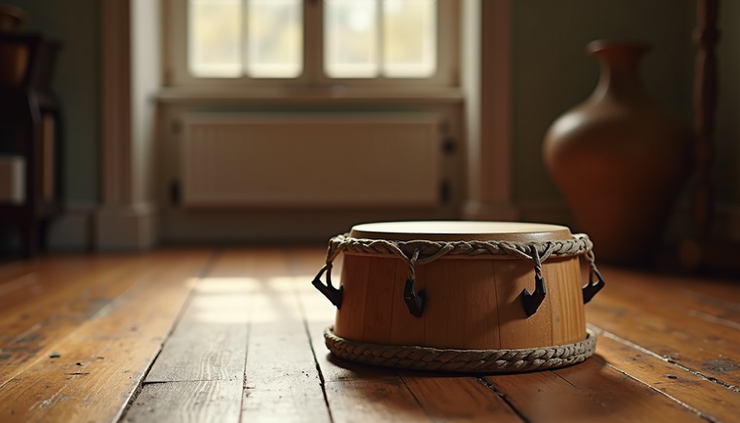
Music often carries the stories and traditions of a culture. For example, West African drumming is more than rhythm; it communicates social roles and historical events. The complex polyrhythms tell stories passed down through generations, reinforcing community bonds.
Similarly, Flamenco music from Spain combines singing, guitar, and dance to express the emotions of the Andalusian people. Its passionate style reflects a history of cultural blending between Moorish, Jewish, and Gypsy influences.
These genres show how music acts as a living archive of cultural identity. It preserves language, customs, and shared experiences, allowing communities to maintain a sense of belonging even as the world changes.
Global Music Genres Shaping New Expressions
Globalization has spread music styles far beyond their origins. Genres like reggae, hip-hop, and K-pop have crossed borders and inspired new cultural expressions worldwide.
Reggae, originating in Jamaica, carries messages of resistance and social justice. It has influenced artists globally who use music to address political and social issues.
Hip-hop began in the Bronx as a voice for marginalized communities. Today, it blends local languages and styles, creating unique versions in countries like France, South Korea, and Brazil.
K-pop combines catchy melodies, choreography, and fashion, influencing youth culture internationally and creating a shared global fan community.
These genres show how music evolves by absorbing local elements while spreading universal themes of identity, struggle, and celebration.

Music as a Tool for Cultural Exchange and Understanding
Music bridges cultural gaps by inviting listeners to experience different worldviews. Festivals and collaborations bring artists from diverse backgrounds together, creating hybrid sounds that celebrate diversity.
For example, the Celtic fusion genre blends traditional Irish music with rock and electronic elements, appealing to audiences worldwide. This fusion respects roots while encouraging innovation.
Music education programs that include global genres help young people appreciate cultural differences and build empathy. Listening to and performing music from other cultures fosters respect and curiosity.
Encouraging Personal and Collective Expression
Music empowers individuals to express identity in personal and political ways. Indigenous artists use traditional instruments and languages to reclaim heritage and raise awareness about their communities.
At the same time, global genres allow people to connect with broader movements. Fans of hip-hop or reggae often find solidarity in shared messages of resilience and hope.
This dynamic shows music’s role in shaping both personal identity and collective cultural narratives.


Comments