Unveiling the Secrets of the World's Oldest Song Over 3400 Years Old

Imagine discovering a melody that has not been heard for over 3,400 years. The world’s oldest known song, "Hurrian Hymn No. 6," does just that. Unearthed in the ancient city of Ugarit, now part of modern-day Syria, this remarkable piece of music offers a glimpse into the rich cultural and spiritual life of ancient civilizations. It is not only a historical artifact but also a testament to the creativity of our ancestors.
The Hurrian Hymn No. 6 is dedicated to Nikkal, the goddess of orchards, and is written in the Hurrian language on a clay tablet using cuneiform script. This discovery intrigues not just musicologists but also historians and archaeologists, as it opens up new avenues of understanding regarding the musical practices and societal values of ancient peoples.
The Importance of the Hurrian Hymn
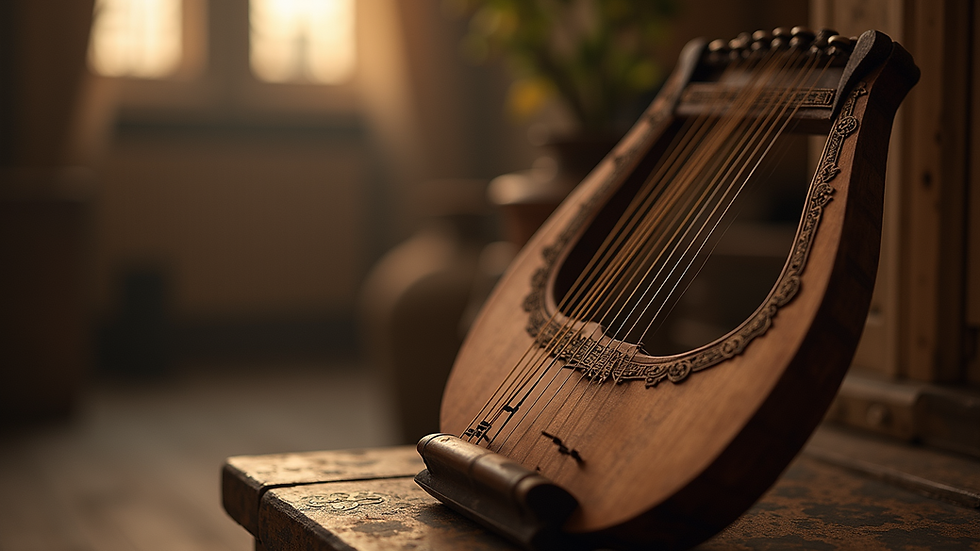
The significance of the Hurrian Hymn No. 6 stretches beyond its age. Being one of the earliest examples of written music, it reveals the sophistication of musical notation in ancient societies. The tablet features detailed instructions for a lyre player, suggesting that music played a crucial role in both religious rituals and daily life.
For instance, the hymn highlights how worship incorporated music, showcasing the spiritual connection between humans and their deities. The lyrics express deep reverence for Nikkal, illustrating how music served not only to honor gods but also to foster community spirit among worshipers.
Musical Notation and Interpretation
The musical notation in the Hurrian Hymn represents a fascinating element of this ancient composition. It consists of a combination of symbols indicating pitch and rhythm that allows modern musicians to recreate the melody. As of now, numerous interpretations exist, with researchers estimating that variations may differ by as much as 30% from one rendition to another.
Musical experts have devoted significant time to deciphering these ancient symbols. While some uncertainties remain, each interpretation bridges gaps in our understanding, allowing us to grasp a fragment of ancient history through sound. Listening to these modern renditions transports us back, offering a unique experience of what music may have sounded like thousands of years ago.

The Cultural Impact of Ancient Music
The discovery of Hurrian Hymn No. 6 has ignited interest in not just ancient music but also its broader cultural impact. The hymn compels us to consider how societies used music in rituals and how it has evolved over centuries. It serves as a reminder that music is a universal language, capable of crossing barriers of time and culture.
For example, music has been found to play a role in rituals from ancient Egypt, where it was used to celebrate the afterlife, to today's modern concerts that stir emotions and foster community. The constant across these contexts is the fundamental human connection fostered through music.
A Glimpse into Our Shared History
The Hurrian Hymn No. 6 offers more than just a glimpse into the music of the past; it is a testament to the enduring power of melody. As we uncover the secrets of ancient compositions, we deepen our understanding of our shared history. This oldest known song is not just a solitary artifact; it connects us to generations past and resonates with our human experience.
In a world that sometimes feels disconnected, let us celebrate the timeless nature of music. It unites us across cultures and eras, playing a vital role in shaping our lives, just as it did for those who came before us.


Comments